
Cost basis

Pick a cost basis method before you file

FIFO, LIFO and specific identification produce different gains on the same trades, and the method you choose carries forward across tax years.

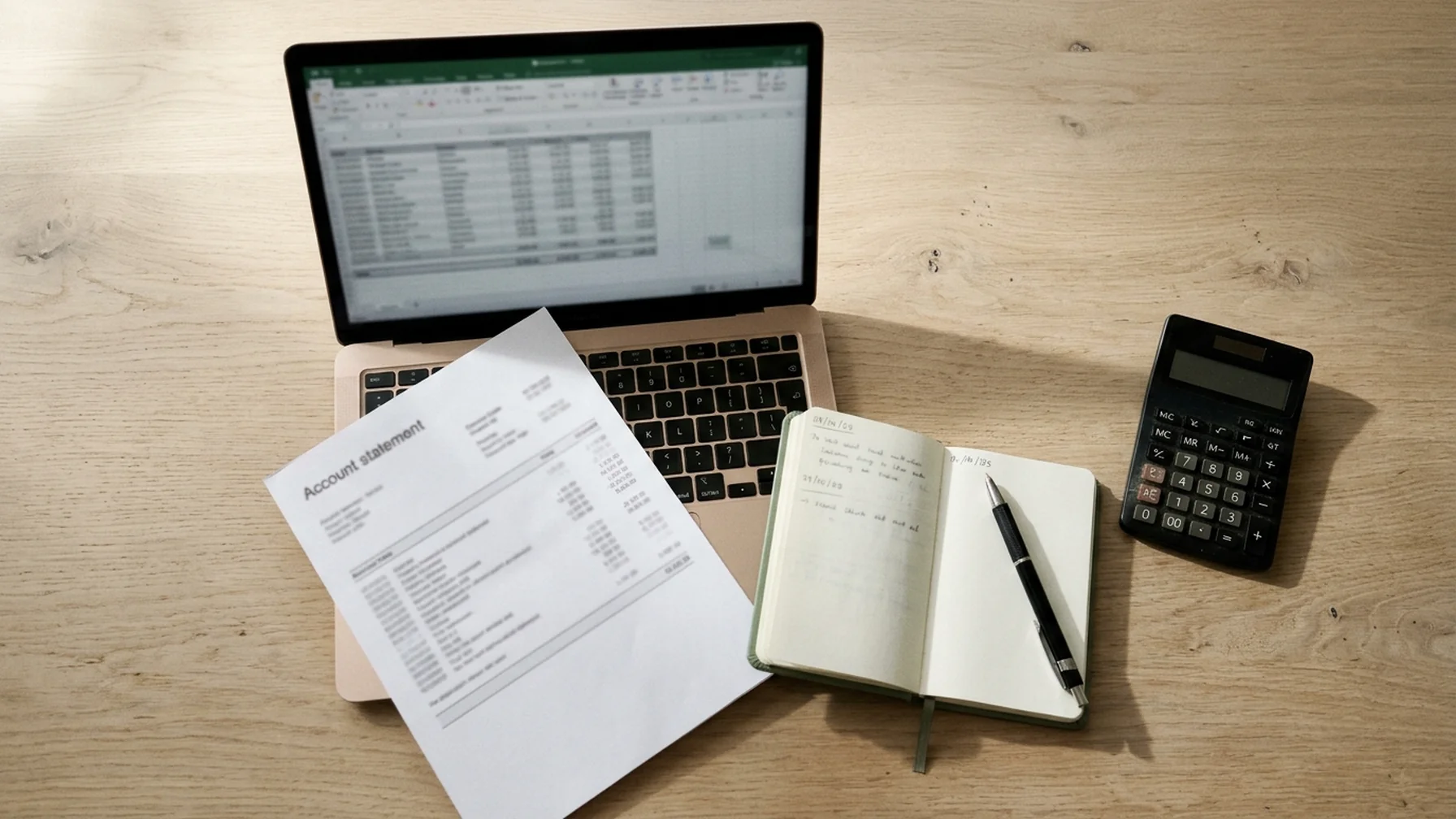
A desk with a laptop showing a spreadsheet of dated crypto transactions, a printed brokerage statement beside it, and a calculator resting on a notebook in daylight.

Crypto bookkeeping, from wallet to tax return

Five topic areas that cover the work most crypto-holding businesses have to do each period, from first transaction export to audit-ready records.

A laptop on a wooden desk with a spreadsheet of transactions open beside a phone showing a wallet balance, a paper notebook and a cup of coffee in morning light

Recording wallet and exchange activity

Move past CSV exports that miss internal transfers. This topic covers how to label wallets and exchange accounts, capture fees and gas, and treat transfers between your own accounts as movement rather than income or expense. It is the foundation everything else depends on, because a misclassified transfer distorts gains in two places at once.

Crypto Bookkeeping Fundamentals


A calculator, printed exchange rate table and pen resting on a desk next to a monitor showing a price chart, natural daylight across the paper

Cost basis and valuation

Crypto assets often trade in several currencies and on several venues in the same month. This topic walks through choosing a cost basis method, applying it consistently, and documenting fair market value at the time of receipt for payments, staking rewards and customer settlements. Consistency matters more than the method you pick.

Valuation and Cost Basis Methods
A folder of labeled financial documents, a stapled report and a pen on a conference table, with hands sorting papers at the edge of the frame

Tax and reporting readiness

Businesses that accept crypto or pay in it carry reporting obligations that bookkeeping alone will not satisfy. This topic covers keeping transaction-level records that support a filed return, separating business from personal activity, and knowing which balances and disclosures your accountant will ask for before filing season.

Business Tax Compliance for Digital Assets
Two people reviewing a printed reconciliation schedule at a desk, one pointing at a column of figures, with a second screen showing a list of accounts behind them

Controls for audit and review

Once volume grows, a single spreadsheet stops being a reliable record. This topic looks at access controls over exchange keys, reconciliation routines between the ledger and on-chain balances, and the evidence trail an auditor or lender will expect to see when digital assets appear on the balance sheet.

Latest from the Blog